A life in sport is temporary, but retirement planning is permanent

13.02.2026

Ice hockey pros live in a bubble. Their sporting careers are well paid, but time limited. What role does financial retirement planning play? Former international player and current financial advisor Julian Walker (39) provides insights, ranging from his one-room flat in Ambri through to his Lamborghini in Lugano, and explains why retirement planning is also a question of attitude.

At a glance

  • Julian Walker explains why he consistently made savings even during his ice hockey career.
  • A professional career is time limited – financial retirement planning creates security for later.
  • Saving early means gaining later flexibility for home ownership, family and personal goals.
  • Good retirement planning is based on your current stage of life, goals and individual risk appetite.

Start your retirement planning now.

At 12 years of age, Julian Walker earned a bit of pocket money cleaning school buildings during the summer holidays. What did he want to buy with his savings? A Lamborghini. Walker laughs as he tells us this. The 39-year-old is today sitting in his house in Manno near Lugano, preparing for the federal financial planner exams. Money and retirement planning have been important topics to him for some time.

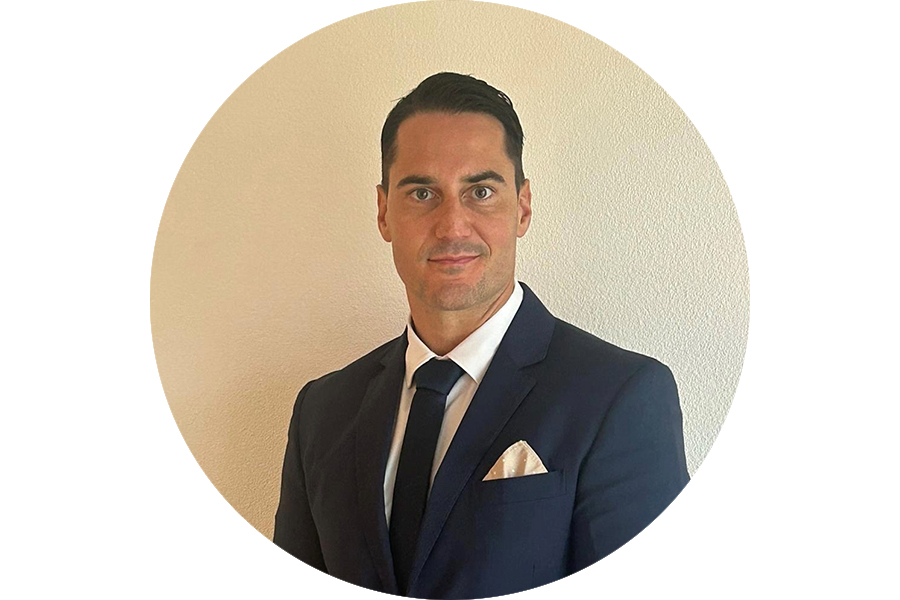
Portrait Julian Walker

“I attached great importance to money and retirement planning throughout my ice hockey career, and I continue to focus on these issues.”

Julian Walker’s professional career

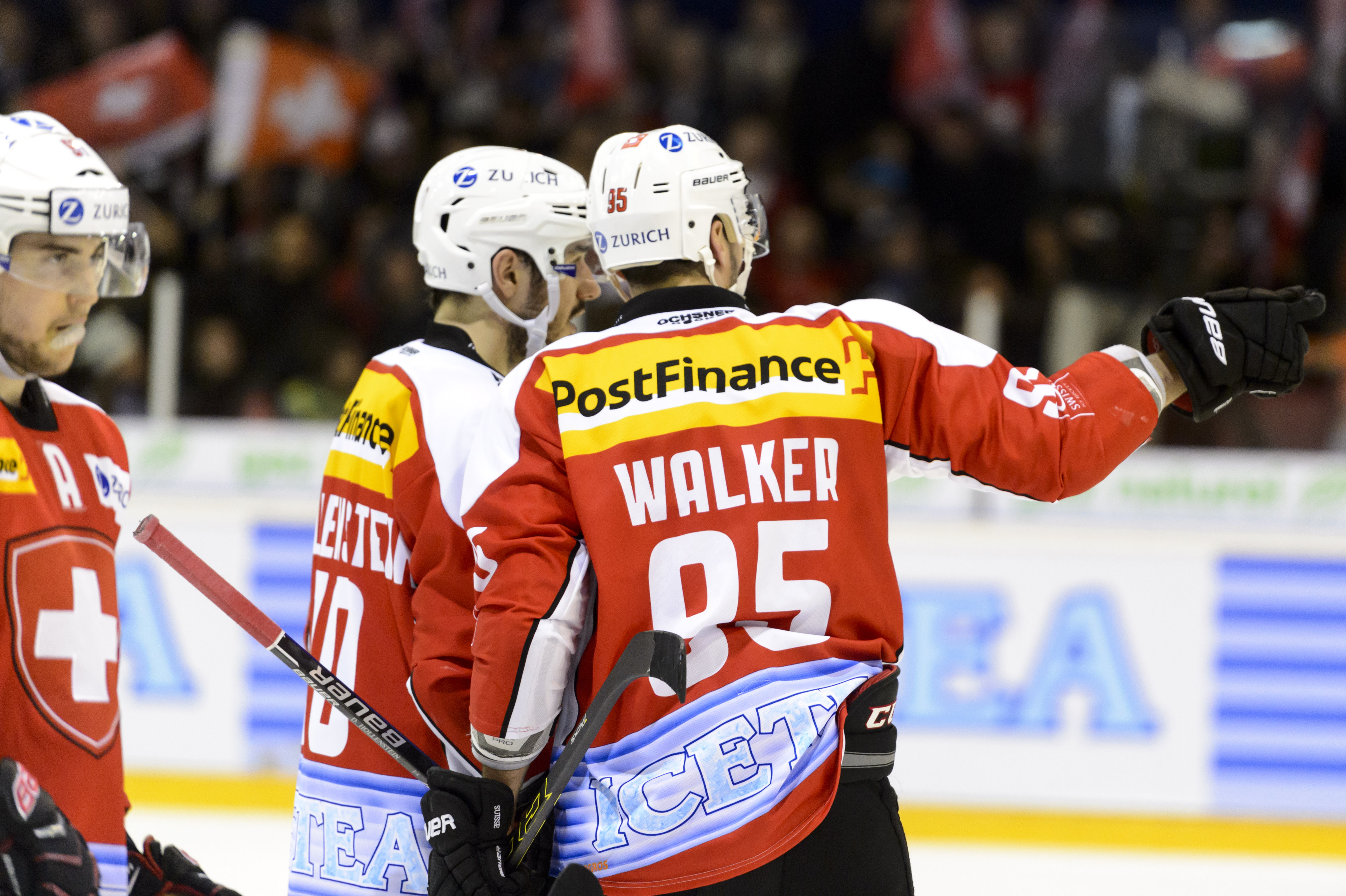
Walker’s ice hockey career was impressive: the forward played 20 seasons and 930 games in the highest Swiss league – over half of them for HC Lugano, the rest for Genève-Servette, Ambrì-Piotta and EHC Basel. He also played his first and only National League match for SC Bern on 17 September 2004. Walker took part in three World Championships with the Swiss national team (2013, 2015, 2016). He was a cornerstone of the silver-winning team of 2013 and scored in the World Cup semi-final against the USA with a remarkable high-angle shot to make it 2:0 – a career highlight. In spring 2024, the Bern native stepped down at the age of 37. Even throughout his career, he thought ahead on financial matters:  

I learned early from my mum what it means to be frugal while also treating myself to a few things from time to time.

When he first played in the top division at EHC Basel at the age of 19, he earned 12,000 francs per year plus flat rent. Because his living costs were low, he consistently set some income aside early on. His annual salary rose to 50,000 francs in his third season with Basel, increasing the amount he could save. His financial discipline paid off when he moved to Ambri after Basel were relegated: his first salary payment was delayed by several months, but his savings acted as a financial cushion and kept him secure during this transition period. 

The importance of having a savings goal

In Leventina, too, the forward handled his money with care. He did without expensive holidays and an expensive flat; a one-room flat in Ambri for 400 francs and later in Bellinzona for 800 francs was sufficient. Walker began to invest money monthly through insurance. He also paid into the third pillar. The forward didn’t have a specific savings goal until he was 25. “I said to myself that it’s important to have some money set aside once my professional career is over – but I didn’t know what to save.”

Changes in his private life – Walker married and started a family – changed his outlook and mindset. The forward, now signed in Lugano, was happy he started saving 15 years prior when he started looking into mortgages and building his own home. He now found himself interested in financial matters, asking himself questions such as: what happens to my money? What investment opportunities are available? What is the best time horizon? He invested in the construction of his own home and other real estate and was able to expand on these investments with his wife, who had already built up a business. He also placed greater emphasis on good financial security. “If you’re alone, you may be less concerned with retirement planning because you’re solely responsible for yourself. That changes if you have a family with three children and a house.”

Today, Julian Walker works in Sottoceneri as a financial advisor. Looking back, he’s critical of his investment activity during his active career: “I invested very conservatively for a long time. With hindsight, I could have looked more closely at different options earlier on”, says Walker. For him, the most important thing is not having a specific strategy, but rather an understanding of his own decisions:

Even those not interested in financial products should seek advice on which options are available and what the consequences of various decisions may be in the long term.

Non-binding retirement planning advice

Do you have any questions about your financial future? Get advice and find out what happens to your money.

Find out what happens to your money

The life of an ice hockey professional follows a predictable pattern: training, play, rest. A lot is predefined, the focus is on the here and now and many players have no concerns about money. Is financial retirement planning being neglected? Or are you even more concerned about it because of your high income? Walker has met both types of people: “Some have a clear plan, others don’t care much.” The Bern native has noticed that retirement planning tends to be unimportant for the younger generation because there is a lack of knowledge or the will to find out more. They live by the motto of “live now, save later.” “A higher wage often means a higher standard of living. Anyone who gets used to a high standard should ask themselves early: ‘How much do I really need this standard of living if I can no longer afford it?’” You need to plan for retirement and make the most of your savings potential depending on your answer. “Otherwise, there’s a high downturn potential – and not just for an ice hockey pro once their career has ended.”

Regardless of profession and salary bracket, Walker describes what has helped him to keep track: regularly reflecting on where he would like to be in his professional and private life in 10 years’ time and aligning his financial decisions with it. For him, this meant defining goals and consciously exploring savings and retirement solutions. Looking back, he sees investment in the third pillar as an obvious step, but he emphasizes that retirement planning is more than just a single solution.

“There is no universal right or wrong thing to do when it comes to saving and investing”, says Walker. “Every situation is different – the decisive factors are your stage of life, your personal options and your own goals and wishes.”

Speaking of wishes, Julian Walker fulfilled his boyhood dream of owning a Lamborghini in 2014. Early saving and retirement planning had paid off for him.

Discover our retirement solutions and start saving for your dreams. 

This page has an average rating of %r out of 5 stars based on a total of %t ratings
You can rate this page from one to five stars. Five stars is the best rating.
Thank you for your rating
Rate this article

This might interest you too